Mesh vs. Fabric
The material covering your office chair is more than an aesthetic choice; it fundamentally alters the thermal properties, structural support, and maintenance requirements of your seating.
The Rise of Elastomeric Mesh
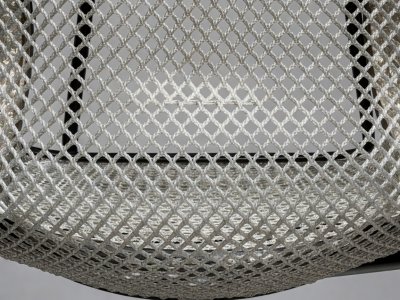
Pioneered in the late 90s, elastomeric mesh changed the industry. By suspending the user across a rigid frame, mesh eliminates the hard pressure points associated with compressed foam over plastic or wood bases.
The primary advantage of mesh is breathability. In warmer climates or busy offices, maintaining a neutral body temperature reduces fatigue. However, not all mesh is created equal. Cheap mesh will sag over time, creating a hammock effect that ruins posture.
Traditional Fabric and High-Density Foam
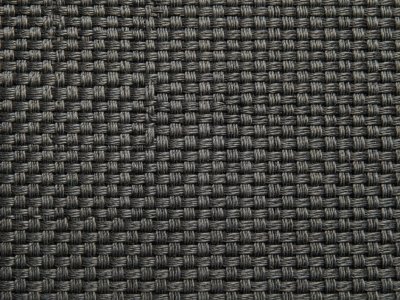
Fabric over foam remains a popular choice for its initial plush feel and aesthetic warmth. A well-constructed foam seat pan can offer excellent contouring and comfort for shorter durations.
The drawback is heat retention and eventual degradation. Over years of use, foam compresses and loses its resilience. When choosing fabric, ensure it is rated for heavy duty commercial use (usually measured in 'rub count') to prevent early wear.
Making Your Choice
If you run hot or work in a non-climate-controlled environment, high-quality mesh is the clear winner. If you prefer a softer landing and work in a cooler space, a premium fabric over molded foam will serve you well.